What’s Changing Under the New Liberal Government?
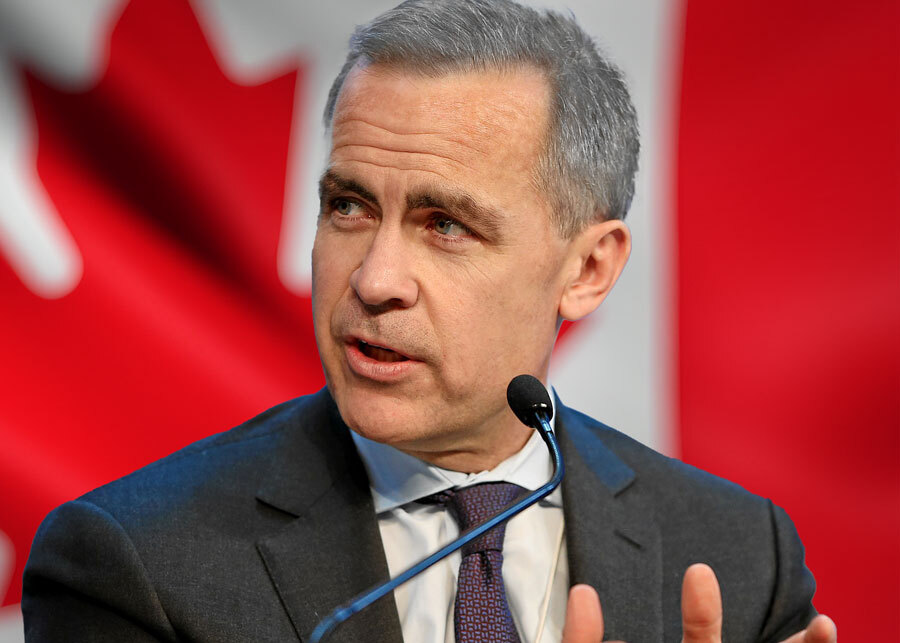
Newly elected Prime Minister Mark Carney is reshaping Canada’s immigration system. If you’re a student, worker, or someone planning to move permanently, this article will help you understand what to expect under the new Liberal government.
We’ll explain key changes to Canadian immigration, how they impact your Canadian study permit or permanent residence plans, and where BorderPass can support you.
The Carney government is keeping immigration at the center of Canada’s growth strategy. But the approach is shifting to manage housing, healthcare, and labour market pressures more carefully.
Fewer Study Permits, Stricter Caps
Temporary resident numbers are being scaled back:
In 2025, international study permit approvals are capped at 437,000, down 10% from 2024
The government aims to reduce the temporary resident population from 7.5% to below 5% of the national population by 2027
New rules may limit PGWP eligibility to certain program types and levels
If you’re applying for a Canadian Study Permit, it’s important to understand the full eligibility process; not just where you study but how you apply. Learn how BorderPass helps you assess eligibility, prepare documents and apply with confidence.
More Focus on Canadian Experience for PR
To strengthen links between temporary and permanent pathways:
Express Entry draws are increasingly prioritizing Canadian work and education
In 2025, PR admissions are set at 395,000, dropping to 380,000 in 2026 and 365,000 in 2027
Occupation-based draws are focusing on healthcare, STEM, and skilled trades
Stronger Oversight for Schools and Employers
To protect international students and workers:
The federal government is conducting more compliance reviews of schools and employers
Only approved Designated Learning Institutions (DLIs) will be eligible for study permits
Programs will be monitored based on graduate outcomes and labor conditions
If you’re unsure whether your offer of admission or job is legitimate, BorderPass can verify your documents and flag risks.
Francophone Immigration Growth
The Carney government is expanding francophone immigration outside Quebec:
2025 target: 8.5%
2026 target: 9.5%
2027 target: 10%
2029 target: 12%
This supports regional growth and preserves Canada’s bilingual identity.
People Also Ask
How does the new government affect Canadian study permits?
Study permits are capped at 437,000 in 2025, and eligibility rules are stricter. You’ll need to show strong financials, clear intent, and be in an approved program. Public institutions are safest.
Is it still possible to get Canadian permanent residence as a student?
Yes. Canadian education and work experience are now among the top factors for PR eligibility, especially under Express Entry.
What programs give me the best chance at PR?
Public college or university programs
Fields like healthcare, engineering, and tech
Programs at least 2 years long
See BorderPass recommendations for study programs.
Does BorderPass help with permanent residence applications?
Yes. We guide you from study permit to PR. Our lawyers review your paperwork, track your deadlines, and reduce the risk of refusal. See how we support PR applicants.
What This Means for You
If you’re thinking about studying, working, or living in Canada, it’s more important than ever to:
Choose the right program or job offer
Understand what immigration pathways are available
Stay compliant from start to finish
BorderPass makes it easier. We provide legal support, real-time updates, and step-by-step help — all in one platform.
Whether you’re applying for a Canadian study permit or working toward Canadian permanent residence, BorderPass helps you succeed.